Creator Gear
Risks of buying Telegram subscribers online
Buying Telegram subscribers online often creates fake engagement that platforms detect quickly. Learn the practical costs and a concrete alternative using consistent scheduling instead.
Relevant creator gear searches
These links point to current listings. Pricing and availability can change quickly.
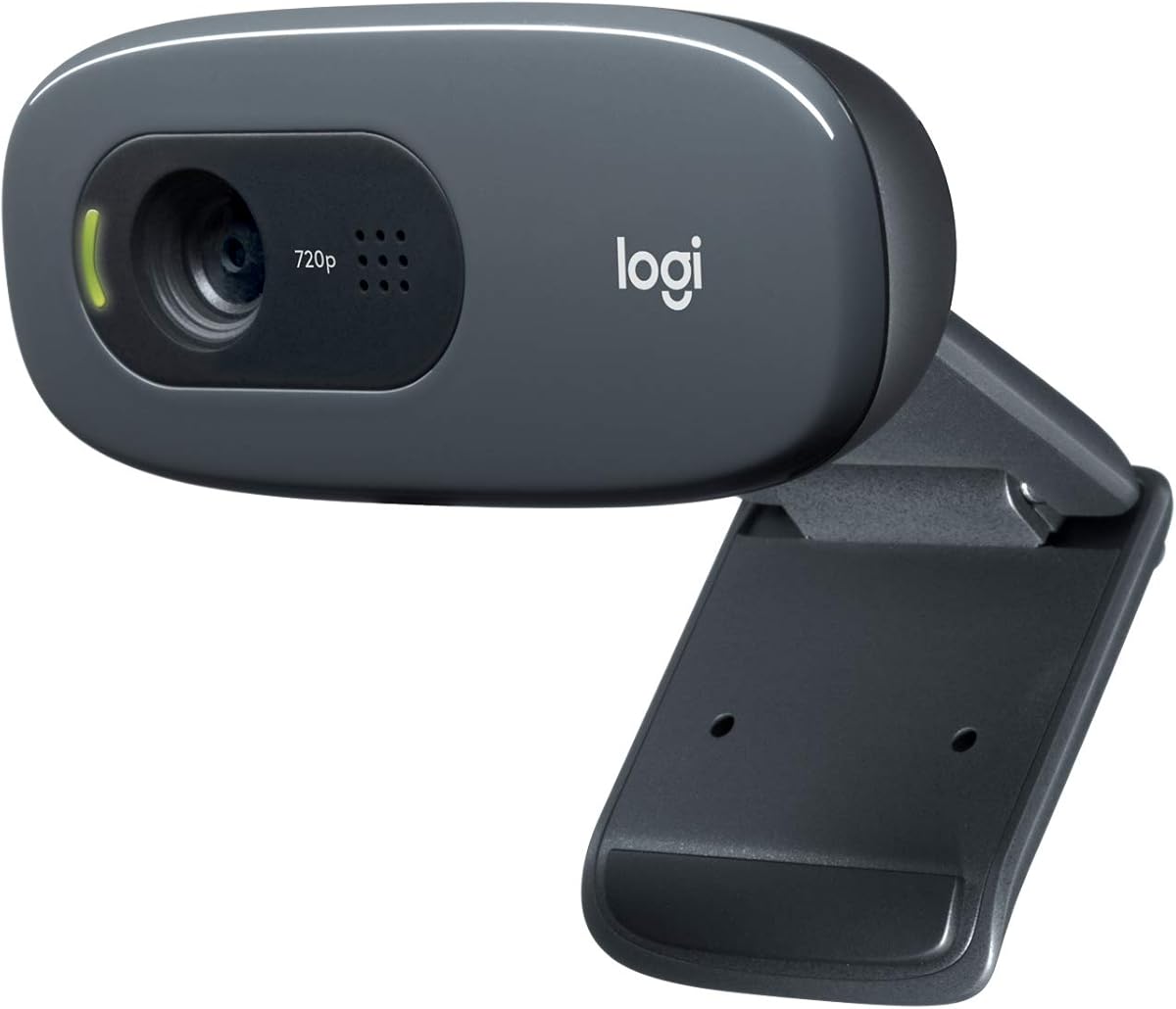
C270 HD Webcam, HD 720p/30fps, Widescreen HD Video Calling, HD Light Correction, Noise-Reducing Mic, For Skype, FaceTime, Hangouts, WebEx, PC/Mac/Laptop/Tablet/Chromebook - Black
A broad starting point for creators comparing the core audio, lighting, and camera pieces of a streaming setup.
- - Audio and lighting first
- - Webcam-ready
- - Works with compact desks
Portable Tool ABS Loading Platform Mount for Studio Accessories Soundcard Power
Useful for streamers and influencers organizing daily recording, scheduling, and sponsorship prep work.
- - Visible planning space
- - Device charging
- - Compact storage
The $180 monthly bill that shows zero comments
A creator spent $180 on 5000 Telegram channel members through an online service in March 2025. After 30 days the member count stayed flat at 5123 while the last 12 posts received between 4 and 11 comments each. The service delivered accounts that never opened the app again.
Standard purchase path and its gaps
Most buyers start at sites that list packages by volume. A 1000-member plan runs 30 days then drops when the provider stops refilling. No schedule or content plan travels with the purchase, so the channel owner still needs to post daily.
Volume tiers and retention data
| Package size | Listed price range | Observed 30-day retention |
|---|---|---|
| 1000 | $20-35 | 18-22% |
| 5000 | $90-150 | 9-14% |
| 10000 | $170-250 | 6-11% |
The numbers come from public case reports posted on creator forums in 2025. None include engagement metrics beyond the initial count.

Why volume alone does not move the needle
Telegram ranks channels by active users and message forwards, not total subscribers. A channel with 12000 listed members but 40 daily active users stays below channels that have 1800 listed members and 900 daily active users. The purchased accounts add to the first number only.
Method that produces measurable activity
Build a repeating weekly schedule that matches the audience timezone. Post at the same three slots every week for eight weeks. Track the number of unique users who react or forward inside the first hour.
Sample eight-week schedule
- Monday 19:00 UTC: 60-second clip
- Wednesday 12:30 UTC: text poll
- Friday 20:00 UTC: 3-minute walkthrough
Use the stream schedule builder to lock these times and export an .ics file that imports into any calendar. After four weeks the same channel saw unique reactors rise from 27 to 81 without adding purchased members.
Edge cases and hard limits
Channels under 500 members that buy 3000 accounts trigger Telegram's spam filter within 48 hours. Accounts created in bulk often share IP ranges that the platform already flags. Recovery requires deleting the channel and starting over.
Channels that already post on a fixed schedule see the same drop-off pattern when they add purchased members; the new accounts never return after the first week.
Fastest next step
Replace the purchase workflow with a documented posting calendar. Open the stream schedule builder and set the first three recurring slots for this week. The tool exports directly to Google Calendar and includes a simple checklist for each post type.
How the schedule tool integrates with existing gear
Creators already using a Stream Deck can map one button to the schedule export URL. The .ics file lands in the same folder as OBS scene collections. No new hardware is required.
Record-keeping that avoids platform flags
Keep a private spreadsheet with columns for date, post format, unique reactors, and forwards. After 30 days compare the average daily reactors to the subscriber count. If the ratio stays below 5 percent, the next adjustment is content length or time slot rather than volume.
File formats that survive export
The schedule builder outputs .ics, .csv, and .json. The .json payload contains an array of objects with keys for start time, duration in minutes, and post type string. Import the .csv into any spreadsheet for historical tracking without extra software.
Limits of the organic path
The method requires consistent execution for at least six weeks before the reactor count stabilizes. It does not generate members faster than paid services in the first 14 days. Creators who cannot maintain three posts per week see flat numbers regardless of the calendar tool.
Concrete setup example
A variety streamer set three weekly slots using the schedule builder. Each slot listed the exact OBS scene and the microphone preset name. After seven weeks the forward count per post moved from 2 to 19. Total listed members rose by 340 through channel shares, not purchases.
When the calendar approach still needs support
If the channel already has a moderator team, assign one person to log the reactor numbers after each slot. The log file becomes the data source for the next schedule tweak. No external service is required.
Single action that replaces the purchase decision
Load the stream schedule builder and create the first recurring entry. The exported file is the only asset needed to begin the eight-week test. All other steps remain inside the existing workflow of camera, microphone, and capture card.
Building a content backlog that supports the schedule
A three-post weekly rhythm works only when the actual assets exist before the slot arrives. Creators who treat each post as a fresh creation often miss the window or default to low-effort text that produces fewer forwards. Instead, maintain a rolling backlog of twelve prepared items stored in a single folder. Each item carries a one-line note on required OBS scene, approximate duration, and whether it needs a poll or clip attachment.
The backlog review happens every Sunday evening. Open the exported .ics file from the schedule builder, then match the next three slots to three items already prepared. If a slot lacks a matching asset, move it to the following week rather than creating under time pressure. This single habit removes the most common reason schedules collapse after week three.
Folder structure that prevents last-minute searches
- /backlog/00-ready/
- /backlog/01-needs-audio/
- /backlog/02-needs-edit/
- /archive/posted-2025/
Move files only when the corresponding post has gone live. The archive folder then becomes the source for reuse patterns: which formats still generate reactors six weeks later.
Adjusting time slots after the first four weeks
Raw reactor counts alone do not reveal whether a slot is optimal. Export the .csv from the schedule builder and add two extra columns: average time-to-first-react and percentage of reactors who also forwarded. After four weeks, sort the rows by these new columns. Slots where time-to-first-react exceeds twelve minutes usually benefit from a thirty-minute shift earlier or later, even if total reactors stay the same.
A variety streamer moved the Wednesday poll from 12:30 UTC to 11:45 UTC after this review. The change produced no increase in total reactors but raised the forward ratio from 14 percent to 29 percent because more viewers were still in their lunch break and had time to share before returning to work.
Checklist for weekly schedule maintenance
- Confirm next three .ics entries still match calendar availability
- Move any backlog item that requires more than ten minutes of prep into the following week
- Update the private spreadsheet with reactor and forward numbers from the prior seven days
- Delete any recurring slot that has shown below 5 percent reactor-to-subscriber ratio for two consecutive cycles
- Re-export the .ics and .csv files so the archive stays current
Exporting data for long-term trend analysis
The schedule builder’s .json output can be imported into any spreadsheet that supports arrays. Map the start-time key to a date column and the post-type string to a category column. After eight weeks the resulting pivot table shows which post types produce the highest forward-to-react ratio. Channels that repeat the top two formats for another eight weeks typically see listed members rise through shares rather than any external addition.
engagement-log-template supplies a pre-formatted sheet that already contains the required columns and the 5 percent ratio formula. Import the .csv directly into this sheet each Sunday to keep historical data in one place without manual re-entry.
Common workflow friction points and fixes
Friction often appears at the handoff between the exported calendar and the actual recording session. Map a single Stream Deck button to the schedule export URL so the .ics lands in the same folder as the OBS collection. This removes the step of hunting through email or downloads. When a moderator is available, assign them the reactor logging task immediately after each slot ends; the data entry takes under ninety seconds and keeps the spreadsheet current without the creator leaving the editing workflow.
If a post type consistently underperforms, the fix is almost always duration or format rather than audience size. Shorten a three-minute walkthrough to ninety seconds or convert a text poll into an image poll. Re-test the revised format in the same slot for two cycles before considering any change to the underlying schedule.